Why UK Manufacturing Is Losing Money Between Processes, Not on the Factory Floor
Quick answer
Many manufacturers are not losing margin on production quality. The real losses happen between planning, procurement, inventory, and delivery when disconnected systems create delays and expensive handoffs.
Frequently asked questions
What is the main takeaway from "Why UK Manufacturing Is Losing Money Between Processes, Not on the Factory Floor"?
Many manufacturers are not losing margin on production quality. The real losses happen between planning, procurement, inventory, and delivery when disconnected systems create delays and expensive handoffs.
Who published "Why UK Manufacturing Is Losing Money Between Processes, Not on the Factory Floor"?
Trudosys published this article on 2026-03-12.
If you walk through a UK manufacturing unit today, the machines usually aren’t the problem. Production lines run. Orders get fulfilled. Teams know their craft. From the outside, everything looks functional. Yet many manufacturers feel like profits are shrinking even when output stays steady.
That confusion comes from one blind spot. Most losses in manufacturing no longer occur on the shop floor. They happen between processes. Between planning and production. Between procurement and inventory. Between sales promises and delivery reality. And that is exactly where technology is missing.

1. The gaps between departments are where things break
Manufacturing today is not one continuous flow. It is a chain of handoffs. Sales commits to timelines. Planning production. Procurement orders materials. Operations execute. Logistics ships. Finance reconciles. When these teams operate on separate tools, information moves slowly and often inaccurately.
A minor discrepancy between departments can create a domino effect. Production waits because the material data was outdated. Procurement overordered because forecasts were unclear. Sales overpromises because they lack real-time capacity visibility. None of this is intentional. It happens because systems don’t talk to each other.
The factory keeps running, but money leaks quietly in the gaps.
2. Manual coordination is now the biggest bottleneck
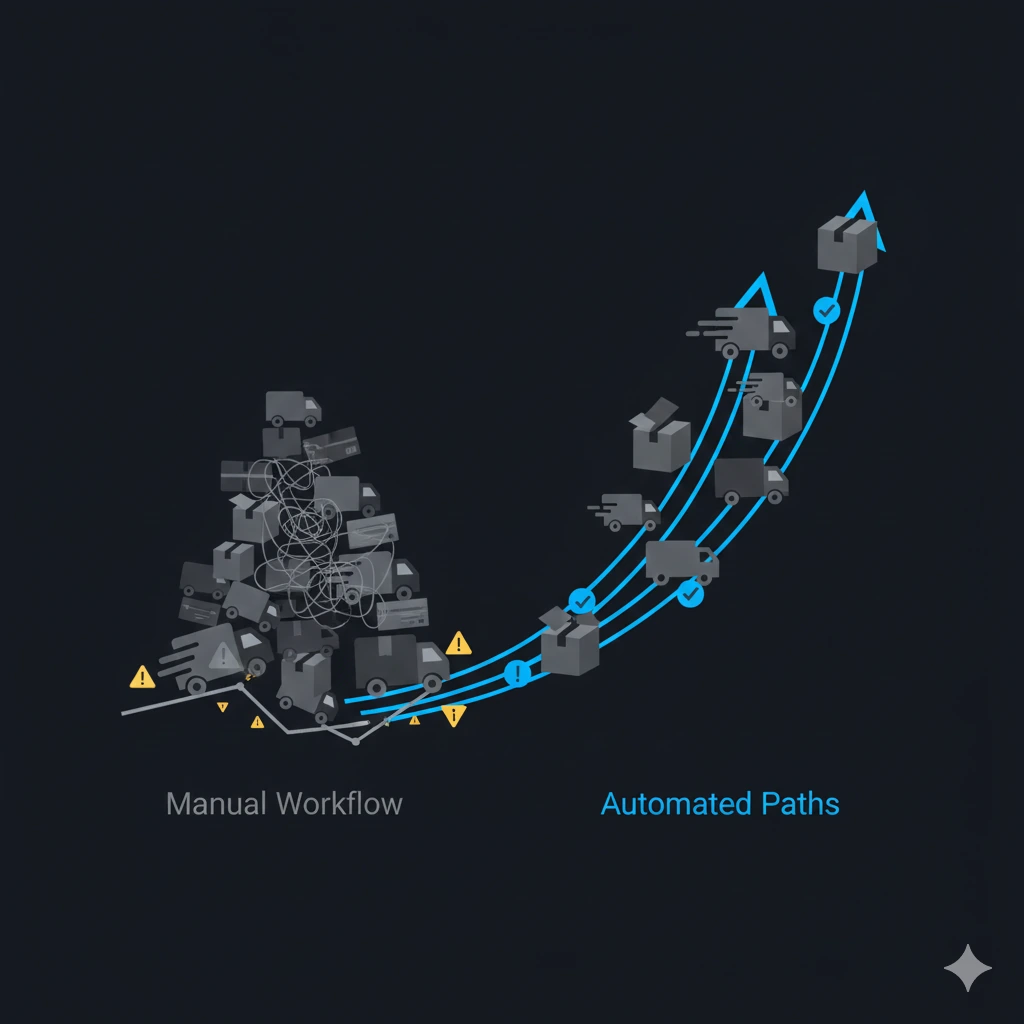
Many UK manufacturers still rely on people to coordinate what software should handle. Emails, spreadsheets, calls, and shared folders become the glue holding operations together. This works until volume increases or something unexpected happens.
When coordination depends on humans, delays become normal. Updates arrive late. Errors go unnoticed. Decisions are based on partial information. Teams spend more time syncing than executing.
In 2025, speed matters as much as precision. Manual coordination slows both.
3. Planning breaks down when data is not live
Production planning used to be static. Today, it needs to be dynamic. Orders change. Demand fluctuates. Supply delays happen. Labour availability shifts.
When planning isn’t backed by live data, it turns into guesswork. Problems are noticed only after they show up, schedules get changed late, shifts are rearranged in a rush, and production is pushed harder than necessary to meet targets that could have been planned with more clarity.
This kind of constant adjustment adds cost, pressure, and inefficiency. Not because the teams are failing, but because the systems they depend on are not flexible enough to keep up.
4. Inventory issues start upstream, not in the warehouse
When stock problems appear, they are usually treated as a warehouse issue. But the real cause often sits upstream. Forecasting inaccuracies. Delayed updates from production. Poor visibility into usage rates.
Without connected systems, inventory decisions are made in isolation. Some items run out unexpectedly. Others pile up without moving. In both cases, money gets locked up, and margins take a hit. That’s why modern manufacturing needs inventory systems that can spot patterns, adapt, and warn early.
5. Scaling exposes weak systems immediately
A manufacturing business can operate comfortably at one scale with manual processes. The moment the volume increases, cracks appear. More orders mean more coordination. More suppliers mean more tracking. More shifts mean more scheduling complexity.
If systems are not built to scale, growth feels painful instead of exciting. Teams feel overwhelmed. Errors increase. Customer confidence drops.
This is why some manufacturers avoid growth opportunities. Not because demand isn’t there, but because their internal systems cannot handle the load.
Where Trudosys Fits In
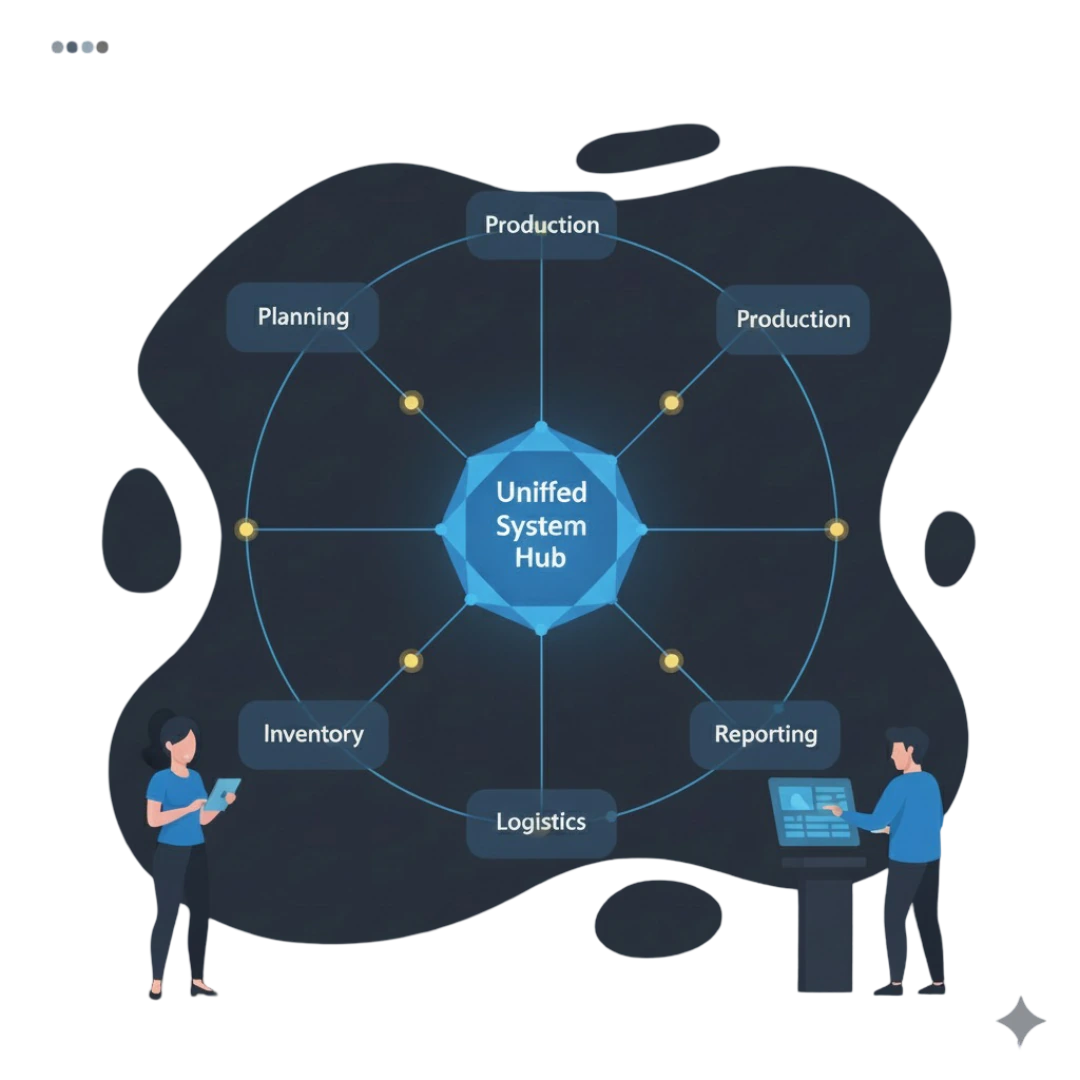
UK manufacturers don’t need generic manufacturing software bolted on top of broken workflows. They need systems designed around how their business actually operates. Trudosys builds custom tech that connects planning, production, inventory, operations, and reporting into one clear flow.
Instead of departments working in silos, information moves automatically. Teams see the same data. Decisions are made earlier. Bottlenecks show up before they cause damage. Coordination becomes system-driven, not people-dependent.
The factory keeps doing what it does best. The tech handles everything in between.