Why European Hospitality Businesses Are Feeling the Pressure in 2025
Quick answer
European hospitality teams are under pressure from thinner margins, higher guest expectations, and fragmented systems. The issue is rarely demand alone. It is the growing strain of running modern service on outdated workflows.
Frequently asked questions
What is the main takeaway from "Why European Hospitality Businesses Are Feeling the Pressure in 2025"?
European hospitality teams are under pressure from thinner margins, higher guest expectations, and fragmented systems. The issue is rarely demand alone. It is the growing strain of running modern service on outdated workflows.
Who published "Why European Hospitality Businesses Are Feeling the Pressure in 2025"?
Trudosys published this article on 2026-03-14.
Across Europe, hospitality businesses are busy again. Hotels are seeing bookings return, restaurants have steady footfall, and travel across EU countries is active. On the surface, demand looks healthy. But behind the scenes, many hospitality operators are struggling more than they did during quieter years.
The problem is not a lack of customers. The problem is that costs are rising, teams are smaller, and daily operations have become far more complex. Many European hospitality businesses are trying to operate in 2025 demand using systems that were never designed for this level of pressure.
That gap is where things start to break.
Rising energy and operating costs are exposing weak systems
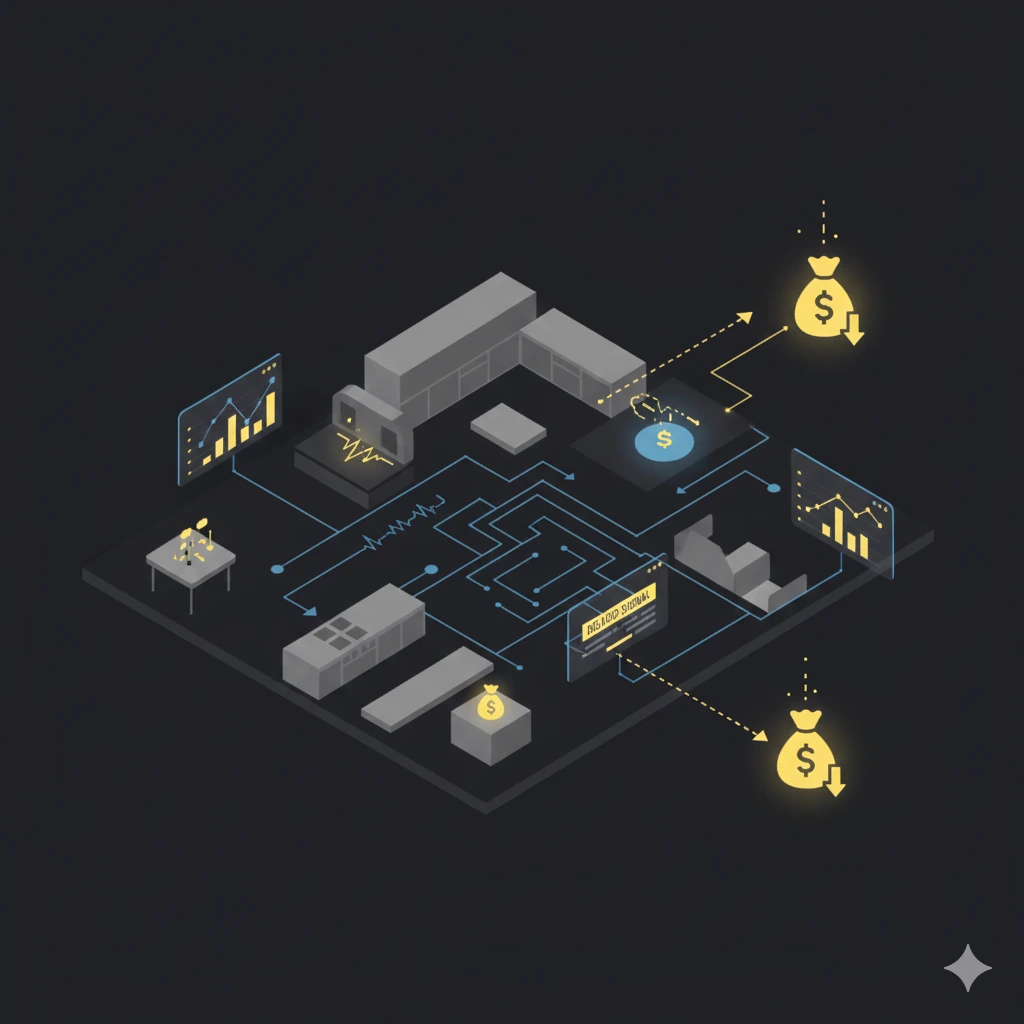
Energy costs across Europe have stayed unpredictable. For hotels, restaurants, and large kitchens, this directly affects margins. Heating, cooling, refrigeration, and equipment costs fluctuate month to month, making planning difficult.
When internal systems are weak, operators cannot see where costs are leaking. They react after the bill arrives instead of spotting inefficiencies early. Manual tracking makes it even worse because data arrives late or incomplete. Without clear visibility, small inefficiencies quietly turn into big losses. Tech does not reduce energy prices, but it gives businesses control over how efficiently they operate.
Staff shortages are forcing teams to do more with less
Hospitality across Europe continues to face labor shortages. Finding experienced staff is difficult, and retaining them is even harder.
Staff spend time answering repetitive questions, managing bookings manually, chasing confirmations, updating records, and fixing avoidable mistakes. This increases burnout and lowers service quality. Automation removes repetitive work so teams can focus on guests instead of admin.
Customer expectations have changed faster than operations
Guests today expect quick communication, clear information, and smooth experiences. They want easy bookings, instant confirmations, timely updates, and accurate service. When something goes wrong, they expect clarity, not confusion, and that’s the minimum.
Many hospitality businesses still rely on phone calls, emails, and disconnected tools to manage this. Responses are slow. Messages get missed. Customers feel ignored even when the staff is trying their best.
The experience suffers not because the team does not care, but because the system cannot keep up.
4. Manual coordination causes constant small failures
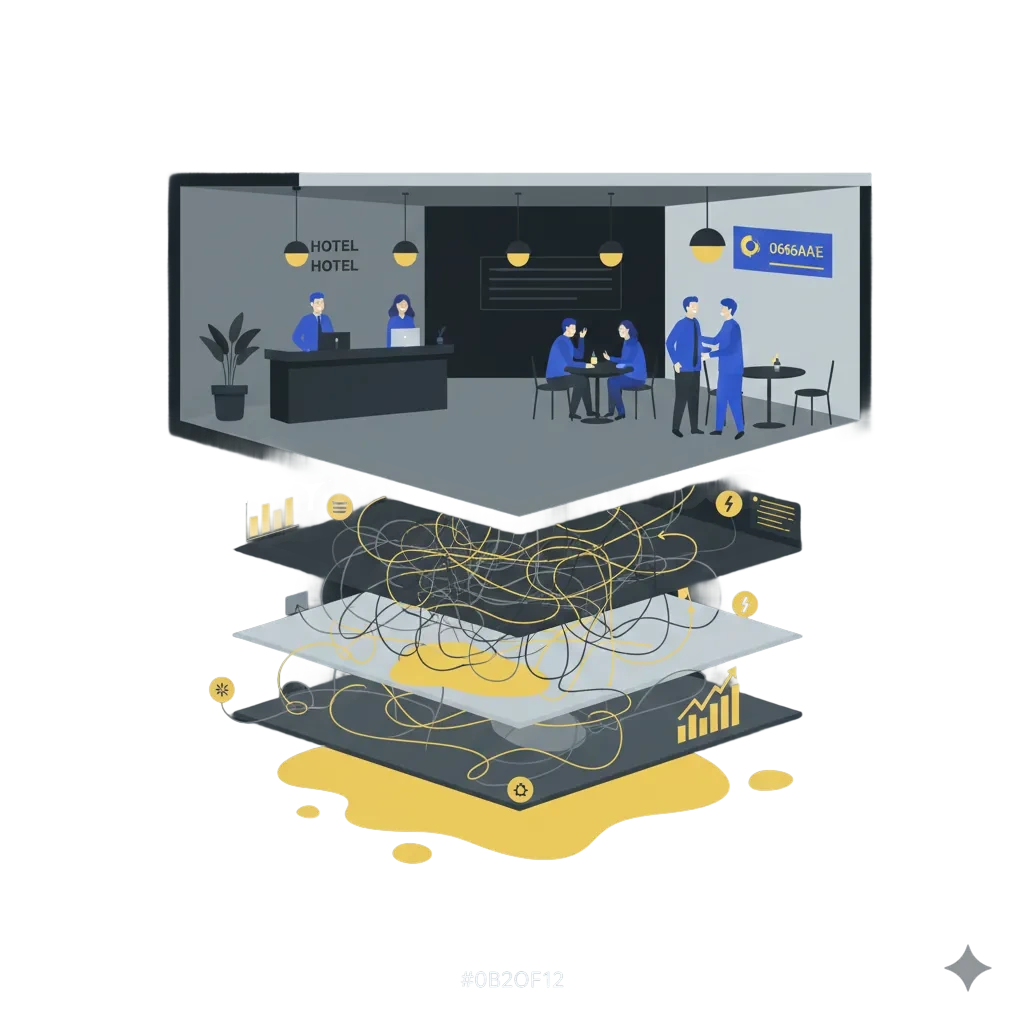
Hospitality operations rely on coordination between the front desk, kitchen, housekeeping, suppliers, and management. When these teams work on different systems, information moves slowly and often gets distorted.
One missed update can lead to overbooking. One delay in communication can affect room readiness. One inventory miscalculation can disrupt service for an entire shift. These aren’t big, headline-worthy failures. They’re small issues that show up every day. And when systems aren’t connected, teams end up spending most of their time putting out fires instead of actually improving how things run.
As a result, growth starts to feel risky. Even when demand is strong, many European hospitality businesses hesitate to take on more bookings or expand their services because their current setup already feels stretched to its limit.
Manual workflows do not scale well. As volume increases, errors increase. Staff pressure increases. Customer complaints increase. What should be growth starts to feel like chaos.
Technology turns growth back into an opportunity by making operations predictable and manageable.
Where Trudosys Fits In
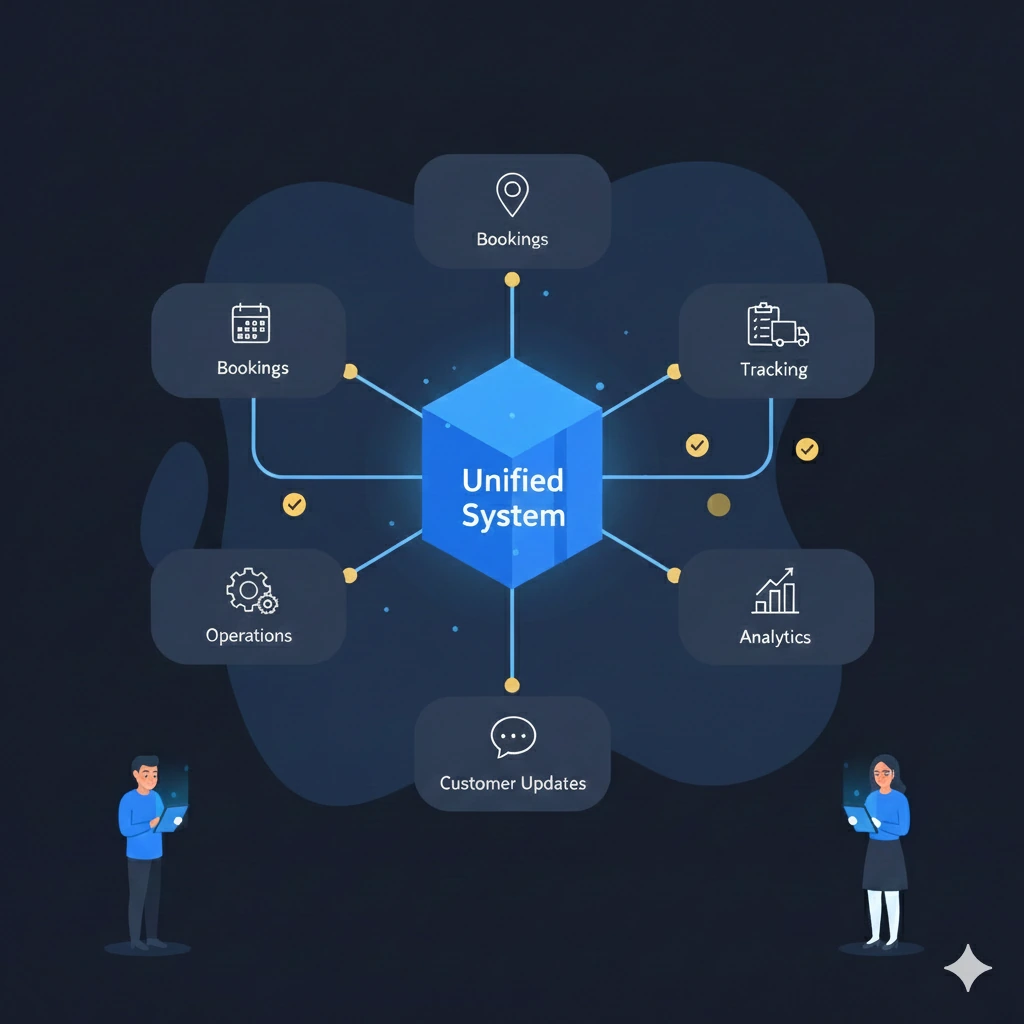
European hospitality businesses do not need generic software that forces them to change how they work. They need systems built around their real workflows. Trudosys builds custom tech that connects bookings, operations, inventory, staff coordination, and customer communication into one clear flow.
Instead of randomly chasing updates and fixing issues, teams can get clarity and move faster. Customers get faster responses. Management gets visibility into what is actually happening day to day.
Tech becomes the silent support system that keeps the business running smoothly, even with smaller teams and higher demand.
Hospitality in Europe is not struggling because people stopped travelling or dining out. It is struggling because operations have not evolved at the same pace as expectations and costs. Businesses that invest in better systems now will stay stable and grow calmly. The rest will continue fighting the same problems every season.