What UK Businesses Must Fix Before 2026 to Stay Competitive
Quick answer
The companies that stay competitive in 2026 will not just work harder. They will remove the operational friction that slows teams down today, especially around customer response, visibility, manual work, and decision-making.
Frequently asked questions
What is the main takeaway from "What UK Businesses Must Fix Before 2026 to Stay Competitive"?
The companies that stay competitive in 2026 will not just work harder. They will remove the operational friction that slows teams down today, especially around customer response, visibility, manual work, and decision-making.
Who published "What UK Businesses Must Fix Before 2026 to Stay Competitive"?
Trudosys published this article on 2026-03-18.
As 2026 approaches, UK businesses are entering a very different operating environment. Demand is still there. Customers are still spending. Markets are still active. But the way businesses are expected to operate has changed quietly and permanently. The companies that survive into 2026 will not be the ones that worked the hardest. They will be the ones who fixed their systems early.
Most UK businesses are not failing overnight. They are slowly falling behind because their internal operations cannot keep up with rising expectations, tighter margins, and smaller teams. 2026 will expose these gaps more clearly than ever.
1. Customer patience will drop even further
UK customers have already adjusted to instant responses, smooth digital experiences, and clear communication. By 2026, patience for delays will be even lower. Slow replies, unclear processes, and manual follow-ups will feel unacceptable, not just inconvenient.
Businesses that still depend heavily on phone calls, emails, and manual coordination will struggle to keep customers engaged. People will not complain. They will simply choose competitors that make things easier. Speed and clarity will become basic expectations, not advantages.
Smaller teams will be the long-term reality

Hiring challenges across the UK are not a short-term issue. Many industries have already accepted that teams will remain lean. Businesses that expect staffing levels to return to what they were years ago are planning for a future that will not arrive.
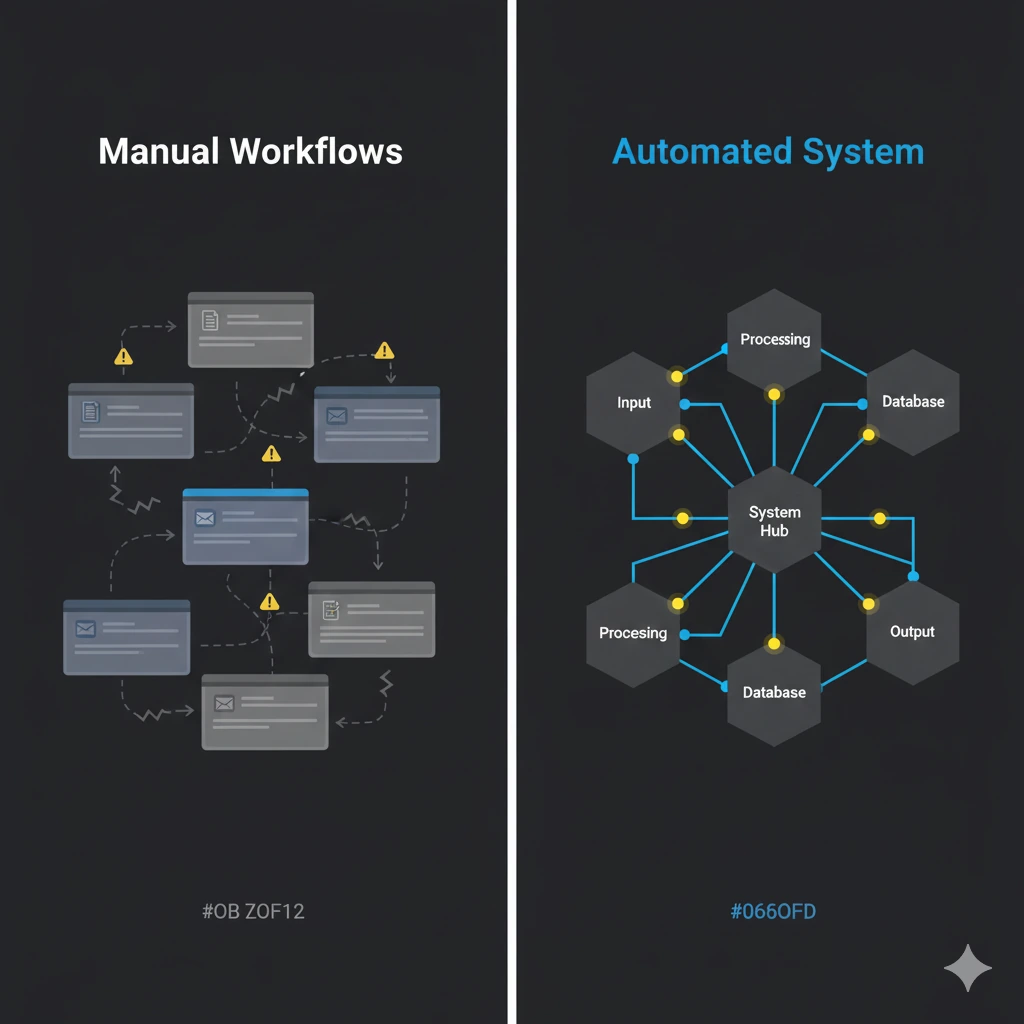
This means every person on the team will be responsible for more work. Without automation and better workflows, burnout will rise, and performance will drop. In 2026, businesses that rely on manual effort will feel constant pressure, while those with strong systems will stay stable even with fewer people.
Manual processes will become expensive risks
Manual work hides its cost until it is too late. Missed follow-ups, forgotten messages, delayed updates, scheduling mistakes, and poor visibility all lead to lost revenue. These issues are already damaging businesses today, but in 2026, the margin for error will be much smaller.
UK businesses will need systems that reduce human dependency for routine tasks. Automation will not be about saving time anymore. It will be about preventing costly mistakes and keeping operations predictable.
4. Data will decide who grows and who stalls
By 2026, decisions made on instinct alone will become risky. Businesses will need real visibility into what is happening daily. Which services are performing. Where delays occur. When demand peaks. How customers behave.
Without connected systems, this data stays scattered or arrives too late to act on. Businesses that cannot see clearly will struggle to plan. Those with real-time insights will adapt faster and grow with confidence.
5. Growth will punish weak systems
In the past, growth was something businesses chased aggressively. By 2026, growth will make weak spots obvious very quickly. As customer numbers increase, so does the need for coordination, communication, tracking, and everyday decision-making. Without systems that can handle this load, growth starts to feel messy instead of positive.
When operations already feel stretched, businesses begin to hesitate before taking on new opportunities. The right tech foundation changes that by making growth easier to manage and easier to sustain.
6. Tech will become the quiet backbone of daily operations
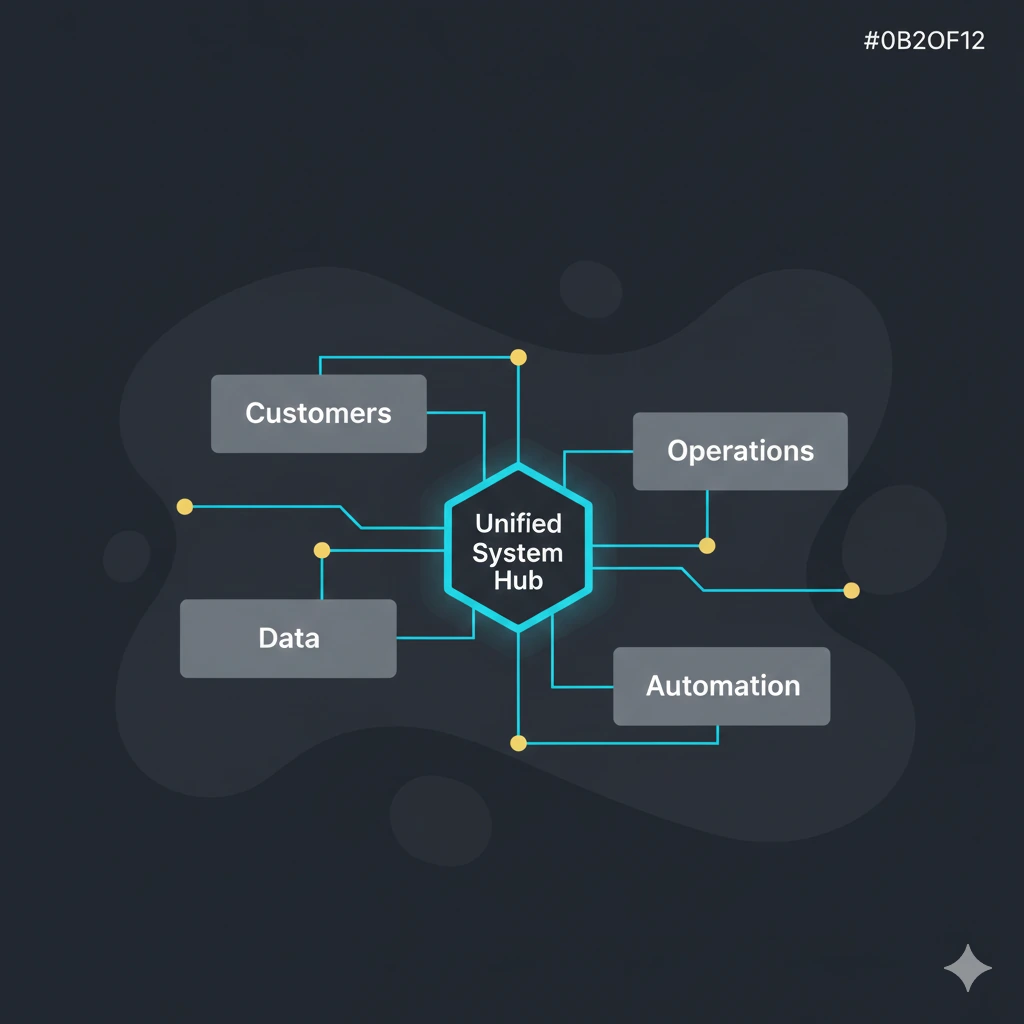
By 2026, technology will no longer be something businesses talk about separately. It will sit quietly behind everything. Customer communication, scheduling, operations, reporting, follow-ups, and internal coordination will all depend on how well systems are designed.
The businesses that invest early will not feel a dramatic change. They will simply feel calmer. Fewer fires. Fewer surprises. More control.
Where Trudosys Fits In
UK businesses do not need more tools. They need systems that are built around how they actually work. Trudosys creates custom tech that connects day-to-day workflows, takes care of routine tasks automatically, and gives teams a clear view of what’s happening across their operations.
Instead of forcing your business to adapt to generic software, Trudosys builds systems that adapt to you. This allows your team to stay focused, your customers to feel supported, and your operations to stay steady as 2026 approaches.
The future will not reward businesses that delay fixing their systems. It will reward the ones who prepared early and built tech that quietly supports growth.