What Is Business Process Automation and Why Companies Are Paying Attention to It
Quick answer
Business process automation matters because it removes the repeated manual steps that slow teams down every day. It is less about replacing people and more about making routine work move reliably.
Frequently asked questions
What is the main takeaway from "What Is Business Process Automation and Why Companies Are Paying Attention to It"?
Business process automation matters because it removes the repeated manual steps that slow teams down every day. It is less about replacing people and more about making routine work move reliably.
Who published "What Is Business Process Automation and Why Companies Are Paying Attention to It"?
Trudosys published this article on 2026-03-24.
Business process automation is one of those terms that sounds bigger than it really is. Most companies don’t wake up wanting automation. They start looking at it because every day work begins to feel harder to manage. Tasks pile up. Follow-ups get missed. Teams stay busy, but progress feels slower than it should.
At some point, people realize the issue isn’t effort. It’s that too many things depend on memory, manual checks, and constant coordination. Automation enters the picture as a way to steady things, not overhaul everything.
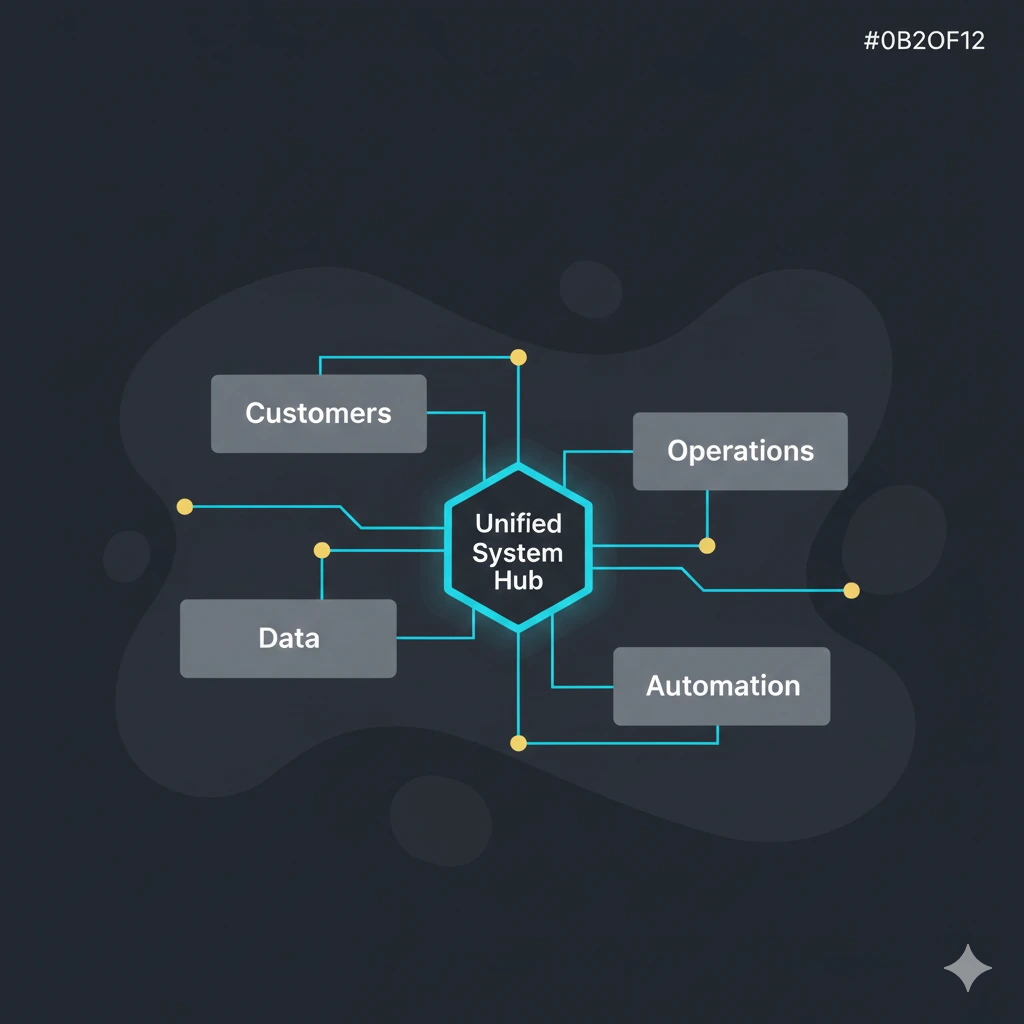
1. Most day-to-day work follows the same patterns
If you look closely at how work happens inside a company, a lot of it repeats. A request comes in. Someone checks it. Someone updates a record. Someone passes it forward. Someone follows up later.
These steps happen hundreds of times a week. They aren’t complex, but they are easy to forget or delay when handled manually. As volume grows, relying on people to remember every step becomes risky.
Automation helps by making these patterns reliable. The work still happens, but it doesn’t depend on someone remembering what comes next.
Automation changes the shape of the workday
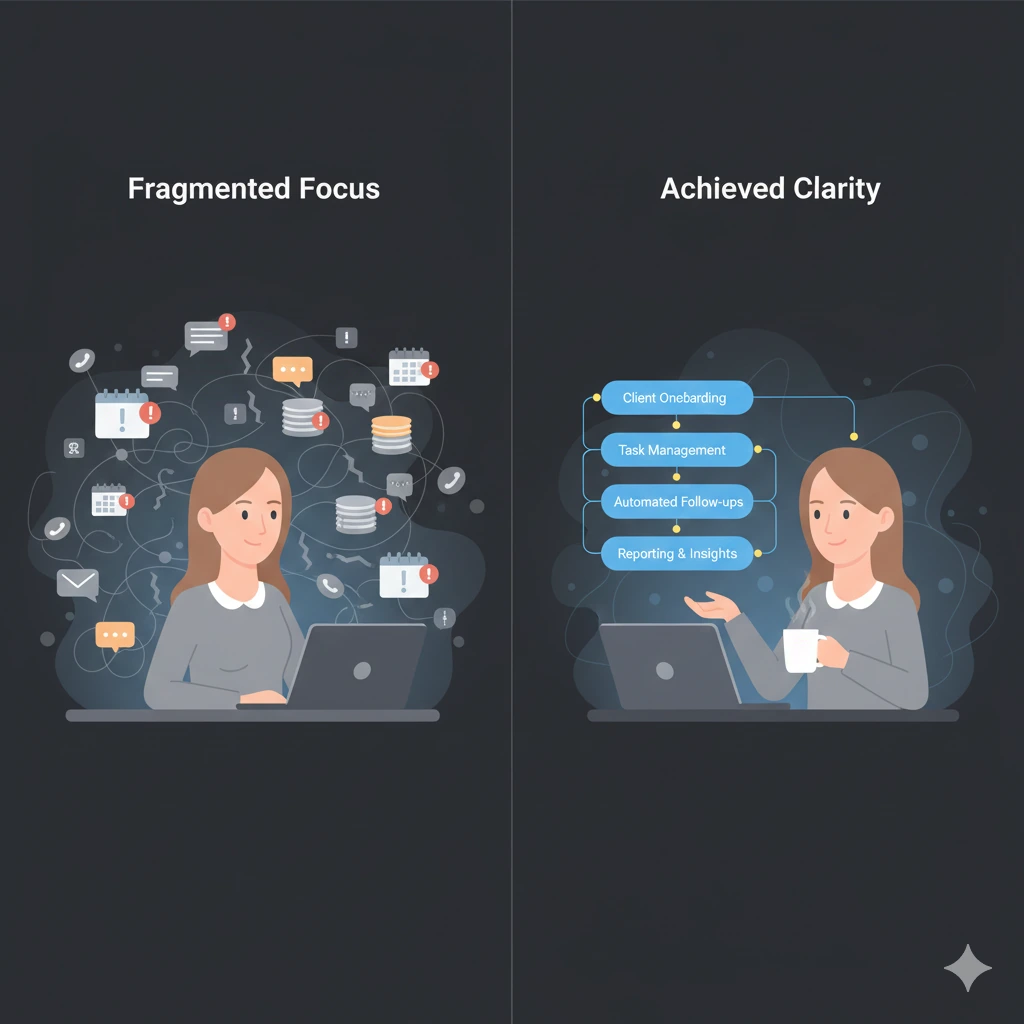
Without automation, a large part of the day goes into keeping things moving. Checking if something was done. Sending reminders. Looking for information that should already exist.
When systems take over these background steps, the workday feels different. People spend less time nudging tasks forward and more time actually engaging with the work that needs their attention.
Nothing dramatic changes overnight. But over time, the pace becomes steadier and less tiring.
Growth exposes coordination problems first
When companies grow, the first thing that breaks is coordination. More customers mean more conversations. More work means more handoffs. More people mean more chances for misalignment.
If coordination depends entirely on messages and manual updates, growth feels chaotic. Everyone is busy, but no one feels fully in control.
Automation helps by handling coordination quietly. Tasks move to the right place. Status updates stay current. Information doesn’t need to be repeated across teams. Growth adds volume, not confusion.
Consistency improves without forcing rigid rules
As teams expand, consistency becomes harder to maintain. Different people approach the same task in slightly different ways. Outcomes vary depending on who is involved.
Automation supports consistency by setting a shared baseline for routine work. The process stays steady, while people still apply judgment where it matters. This reduces rework and surprises without turning work into a checklist exercise.
Customers notice the difference even if they don’t know why.
5. Seeing what’s happening becomes easier
One of the quiet benefits of automation is visibility. When work moves through systems instead of conversations, progress is easier to see. You don’t need to ask around to know what’s pending or what’s blocked.
This doesn’t mean more reports or dashboards. It means fewer unknowns. Teams can spot issues earlier. Leaders can plan instead of react. Decisions feel lighter because they’re based on what’s actually happening.
6. Automation fails when it ignores reality
Automation only works when it reflects how work really happens. Many projects fail because tools are set up around ideal scenarios that don’t match day-to-day operations.
When systems force people to change how they work just to fit the software, frustration builds quickly. The best automation fits into existing habits and removes friction instead of adding it.
That’s when people stop fighting the system and start trusting it.
Where Trudosys Fits In
Trudosys helps businesses automate processes without disrupting how teams already work. Rather than beginning with templates, the first step is understanding how work actually happens. From there, systems are built to support those workflows, not override them.
The routine parts run quietly in the background. Information reaches the right people at the right time. Things become easier to see without adding extra layers. Teams stay in control, while the repetitive work takes care of itself.
Business process automation isn’t about piling on more work. It’s about removing the drag that builds up as companies grow and letting work move with less resistance.