
Why UK Healthcare Providers Are Struggling in 2025
Quick answer
Administrative overload and fragmented systems are burning out healthcare teams. This article breaks down the real operational issues.
Frequently asked questions
What is the main takeaway from "Why UK Healthcare Providers Are Struggling in 2025"?
Administrative overload and fragmented systems are burning out healthcare teams. This article breaks down the real operational issues.
Who published "Why UK Healthcare Providers Are Struggling in 2025"?
Trudosys published this article on 2025-10-30.
Because Their Tech Is Outdated
The U.K. healthcare system is under pressure like never before. Clinics are overwhelmed, waiting rooms stay full, patients feel ignored, and staff burn out faster than new hires can replace them. Most people blame rising demand or staffing shortages, but there is a bigger, quieter reason behind the struggle. Healthcare providers across the U.K. are trying to survive 2025 with technology that belongs in 2012.
While patient expectations, communication habits, and operational complexity have all changed, many clinics and healthcare businesses still run on slow manual workflows and outdated software. This mismatch is exactly why so many providers are losing patients, losing revenue, and losing control of their operations.
Let’s break this down in a simple, human way.
1. Manual processes are slowing down patient care
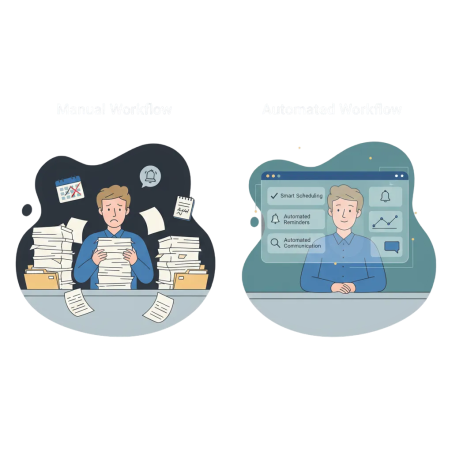
A shocking amount of healthcare admin still happens manually. Appointments are handled through calls, patient files are updated slowly, reminders are sent by hand, and staff waste hours every day answering the same basic questions. This might have worked earlier, but in 2025, patients expect instant communication and fast solutions.
When patients wait too long for replies, too long to book an appointment, or too long to understand their own reports, they quietly move to a provider who is quicker. Slow systems create the feeling of poor care even when the medical team is excellent.

2. Outdated tech creates an unpredictable workflow
Healthcare providers need stability. They need clarity on bookings, schedules, cancellations, workloads, and follow-ups. But when everything runs on disconnected tools, things slip through the cracks. Appointments get missed, double bookings happen, follow-ups get forgotten, and urgent cases get delayed because no one saw the update in time.
The saddest part is that none of this is the staff’s fault. The system they’re using simply cannot keep up with the pace of modern healthcare needs. When the workflow is unpredictable, patient trust drops instantly.
3. No automation means staff burnout faster
The U.K. already has a healthcare staffing crisis, but outdated tech makes the situation ten times worse. Nurses, reception teams, and admin staff spend their days juggling repetitive tasks instead of focusing on patient care. They answer the same questions repeatedly, manually confirm appointments, recheck documents, and try to fix scheduling mistakes caused by old systems.
This type of workload burns people out and pushes them to leave. When staff turnover rises, patient experience dips even further. Modern automation removes this pressure and lets staff focus on real healthcare, not constant admin firefighting.
4. Patients expect a digital experience, not phone-based systems
This is the biggest shift most providers failed to notice. Patients today communicate the same way they shop, book travel, or order food. They expect clear digital communication, fast replies, online scheduling, reminders, updates, and simple access to information.
When a clinic only offers phone calls and slow manual follow-ups, it feels outdated. Not intentionally. But the patient sees it as a sign that the system is inefficient. They prefer providers who make things simple.
A provider might offer excellent treatment, but if the experience feels slow or disorganized, patients do not return.
5. Lack of real-time data creates poor decisions
Healthcare providers make dozens of decisions every week. How many staff to schedule? Which services need expansion? Which days are busiest? What patients keep asking for. But without proper tech, all these decisions are based on assumptions.
Providers end up guessing demand, guessing staff needs, guessing where delays happen, and guessing what patients prefer. This leads to long waiting times, wasted resources, and lower revenue. Data is now essential, not optional.

6. Revenue leaks happen because there is no automation
Missed follow-ups, lost bookings, ignored messages, unread reports, delayed confirmations, and no-shows are all small issues individually. But when they happen every week, they become massive revenue leaks.
Simple automation around reminders, confirmations, patient reactivation, follow-ups, and scheduling can recover thousands in lost opportunities. Without it, providers lose money quietly without realizing why.
Where Trudosys Fits In
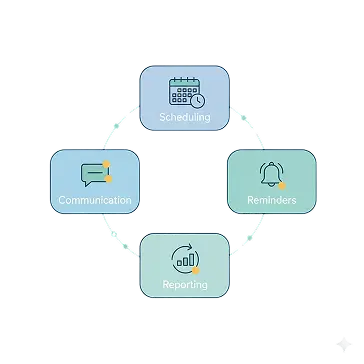
U.K. healthcare providers are not failing because they lack medical expertise. They are failing because their tech foundation is outdated for 2025. Trudosys builds custom systems for healthcare teams so they can automate admin, streamline patient communication, reduce manual work, improve scheduling, manage follow-ups, and handle patient engagement without increasing staff workload.
Your clinic gets clear workflows, faster communication, fewer errors, and a smoother patient experience. Patients feel supported, staff feel relieved, and revenue rises naturally because your operations finally move at the speed modern healthcare requires.
The providers who upgrade their tech in 2025 will survive. The ones who don’t will keep struggling with the same problems again and again.