The Hidden Tax UK Businesses Are Paying Every Day Without Realizing It
Quick answer
Many companies lose money every day through manual steps, context switching, poor visibility, and delayed coordination. It does not show up like a normal cost line, but it steadily reduces margin and performance.
Frequently asked questions
What is the main takeaway from "The Hidden Tax UK Businesses Are Paying Every Day Without Realizing It"?
Many companies lose money every day through manual steps, context switching, poor visibility, and delayed coordination. It does not show up like a normal cost line, but it steadily reduces margin and performance.
Who published "The Hidden Tax UK Businesses Are Paying Every Day Without Realizing It"?
Trudosys published this article on 2026-03-20.
Most UK businesses don’t feel like they’re failing. Orders come in. Customers respond. Teams stay busy. On paper, things look fine. Yet profits feel tighter than they should. Growth feels heavier than expected. And every week feels more exhausting than the last.
What many businesses don’t realise is that they are paying a hidden tax every single day. Not a government tax. A process tax. The cost of manual work, poor systems, and disconnected operations quietly drains time, money, and energy across the business.
This tax doesn’t show up on invoices. But in 2026, it will decide who stays competitive and who slowly falls behind.
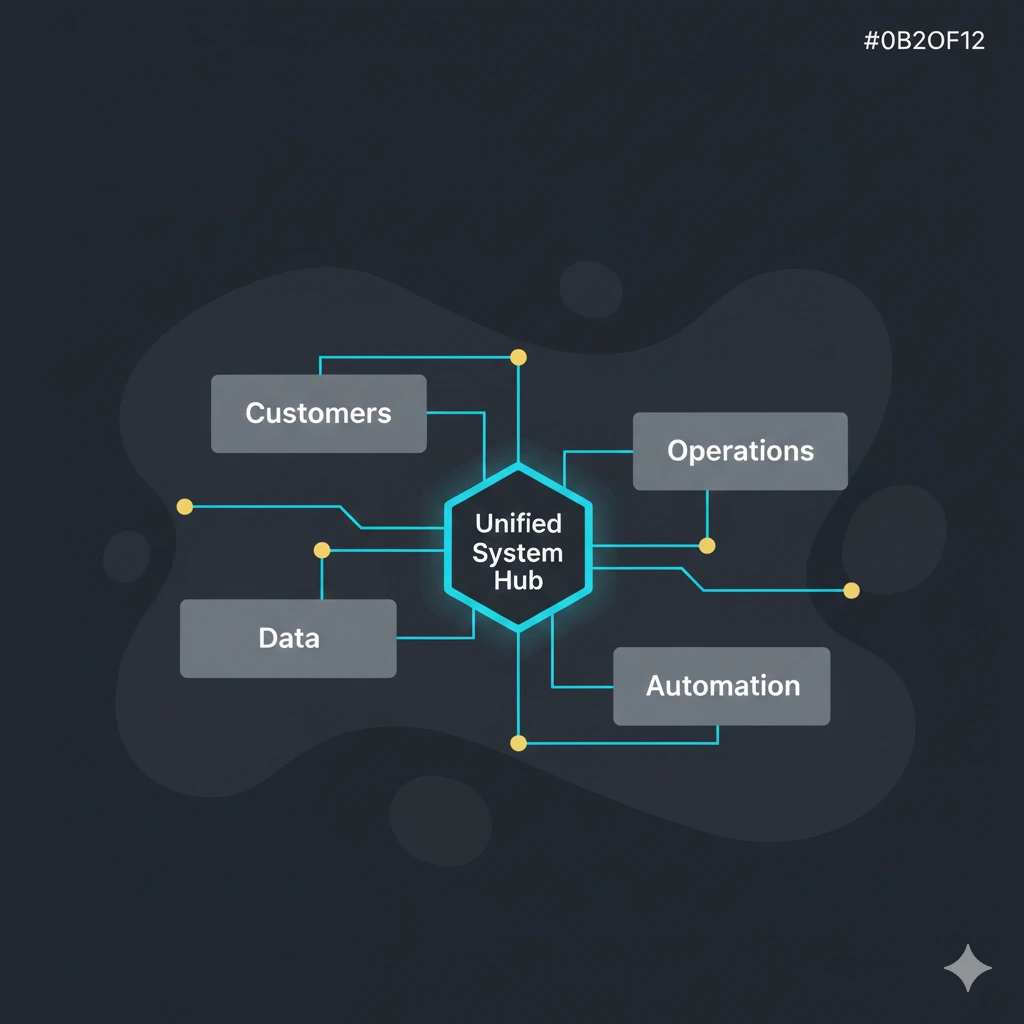
1. Manual work creates invisible costs
Manual tasks feel harmless because they are familiar. Sending follow-ups by hand. Updating spreadsheets. Checking status across tools. Coordinating through messages and calls. None of these feels expensive on its own.
But they add up. Every manual step introduces delays, mistakes, and repeated effort. Teams spend hours each week doing work that doesn’t move the business forward. Those hours turn into overtime. Overtime turns into burnout. Burnout turns into lower performance and higher attrition.
The cost is real, even if it never appears in accounting reports.
Context switching is killing productivity
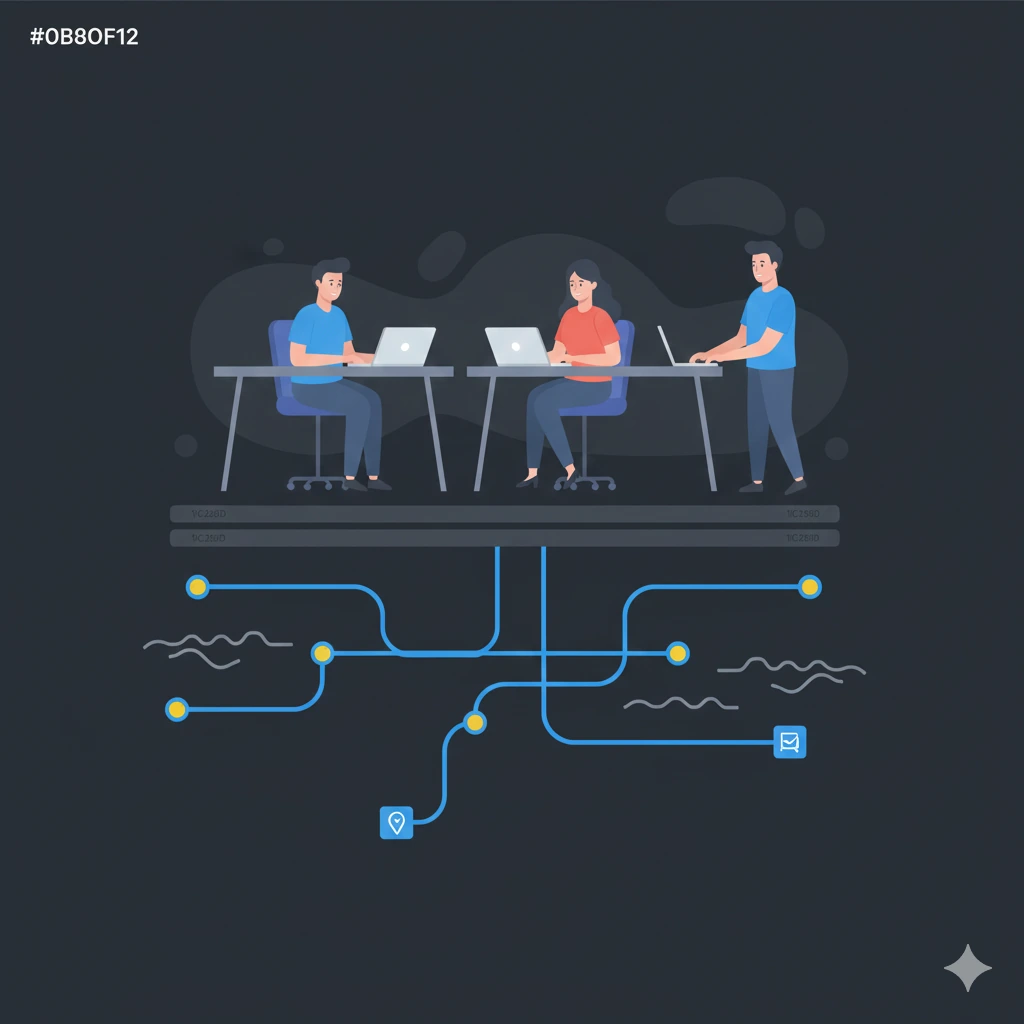
One of the biggest productivity drains in UK businesses today is context switching. Employees keep bouncing between tools, tabs, messages, and systems all day. They reply to a customer, jump into a spreadsheet, open another tool, then remember a message they still need to follow up on.
That constant back and forth kills focus and drags everything out. Simple tasks start taking longer than they should, even when people are working hard. Mistakes happen because people lose context. Important details slip through cracks because no single system shows the full picture.
Growth amplifies inefficiency instead of rewarding effort
Many businesses assume inefficiencies are manageable until they grow. The truth is the opposite. Growth amplifies whatever is broken. More customers mean more follow-ups. More orders mean more coordination. More volume means more chances for things to go wrong.
When systems aren’t solid, growth starts to feel heavy instead of energising. Teams hit their limits sooner, managers get pulled into fixing small issues, and leaders think twice before saying yes to new opportunities because operations already feel stretched.
This is often how businesses slow down without realising what’s holding them back.
Decision-making takes a hit when visibility is poor
When information is scattered across different tools and documents, decisions either get delayed or are made without the full picture. Leaders guess instead of knowing. Teams react instead of planning. Problems are solved after they hurt revenue instead of before.
In 2026, UK businesses that rely on instinct alone will struggle. Markets are moving faster. Margins are thinner. The cost of slow decisions is higher. Clear visibility into operations is no longer optional. It is the foundation for confident decision-making.
5. Customers feel the effects before businesses do
Customers are often the first to notice operational cracks. Slow replies. Missed updates. Confusing processes. Inconsistent service. None of these feels catastrophic, but together they change how a business is perceived.
Customers don’t usually complain. They just stop engaging. They choose alternatives that feel smoother and more reliable. Businesses notice the drop only after it becomes significant.
The hidden tax shows up as lost trust long before it shows up as lost revenue.
6. The businesses that win remove friction quietly
The most stable UK businesses heading into 2026 are not the loudest or the busiest. They are the calmest. Their teams are focused. Their operations feel predictable. Problems are caught early. Growth feels manageable.
This calm doesn’t come from working harder. It comes from removing friction. From systems that handle routine work automatically. From workflows that connect instead of fragmenting. From visibility that reduces guesswork.
Where Trudosys Fits In
UK businesses don’t need more tools added to the stack. They need fewer, better systems that actually work together. Trudosys builds custom tech that fits around how your business already operates. Workflows are connected. Routine tasks are automated. Teams see what’s happening without chasing information.
The hidden tax starts disappearing quietly. Teams regain time. Decisions get easier. Growth feels lighter. Operations stop fighting back.
By 2026, the biggest advantage won’t be speed or scale. It will be clear. Businesses that invest in the right systems now will feel it every single day.